FIND YOUR NEXT TOPIC
Browse categories
Explore products and services across the topics that interest you, from everyday purchases to business essentials.
Browse categoriesFEATURED REVIEW
Explore a considered approach to garden design, from the first ideas to planting and construction, with practical guidance for planning your outdoor space.
COMPAREFEED / HOME & GARDEN
A closer look at its garden design and build service, the planning process, and what to consider before commissioning your own outdoor transformation.
Provider Native Landscape Design
OUR VERDICT
A useful shortlist option for homeowners seeking a coordinated design and build service.
The strongest aspect of the published offer is its progression from ideas to detailed plans and construction. The combination of design and horticultural expertise is also relevant to buyers who want planting to receive the same attention as paving and garden structures. Our assessment considers the stated services and process rather than firsthand use. Before commissioning, confirm the deliverables, fees, construction arrangements and responsibilities for your particular project.
THE OVERVIEW
Native Landscape Design is based in Gayton, Wirral, and serves Cheshire, Merseyside and the wider North West. Its offer combines garden design with landscaping, creating a route for clients who want to consider the outdoor space as a whole. The practice describes an approach shaped around individual needs, with functionality and appearance both forming part of the design conversation.
Before looking at finishes, write down what your garden needs to do. You might want somewhere to eat outside, easier access, privacy or a more manageable planting scheme. A short list of priorities helps distinguish essential changes from attractive extras. It also gives a designer something more useful than a collection of unrelated inspiration photographs.
THE DESIGN PROCESS
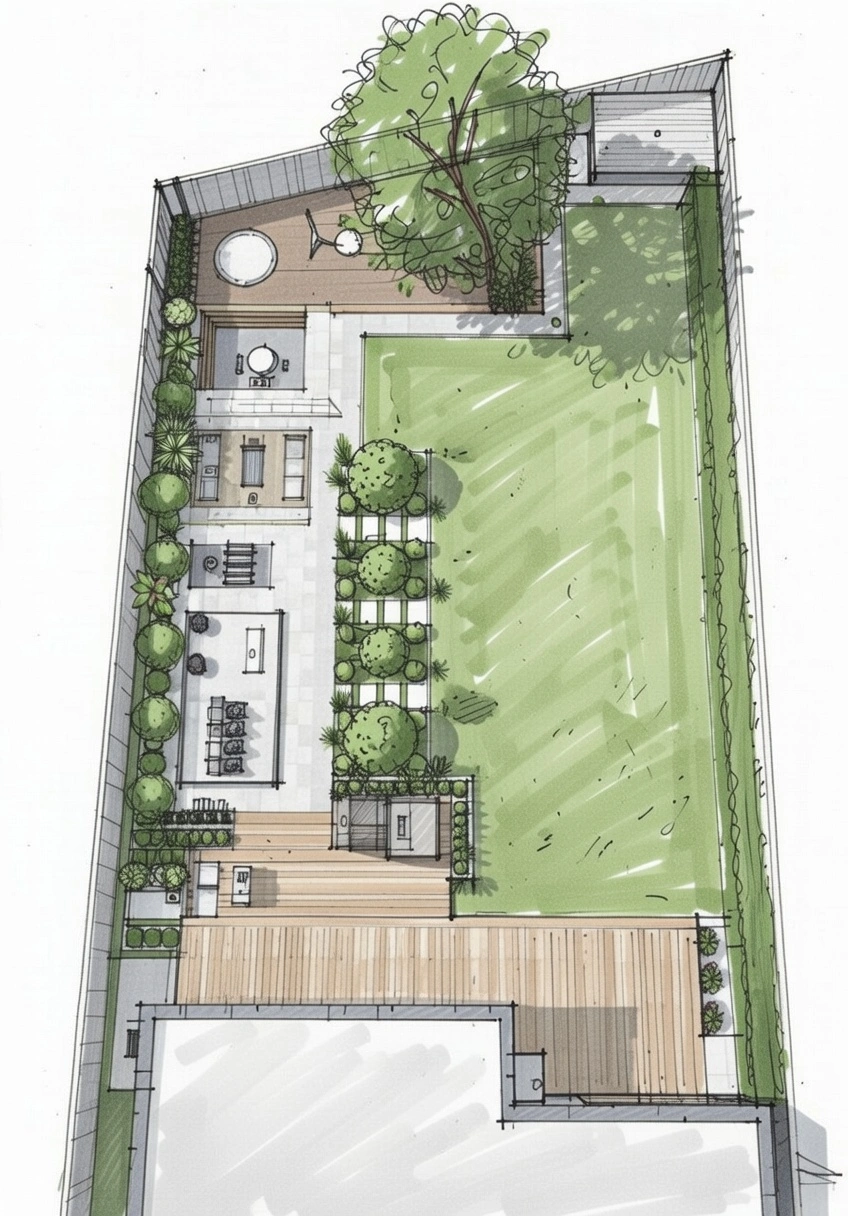
The published process begins with a free, no-obligation site visit to discuss aspirations and budget. Following appointment, the practice undertakes a survey and prepares sketch designs. Reviewed concepts then progress to planting and finishes plans. Bespoke construction details and 3D visuals are optional elements, while lighting plans depend on the brief.
Ask what you will receive at each stage and how feedback is handled. Confirm whether revisions, technical drawings and visualisations are included in the quotation. Before approving a concept, check that it reflects your priorities and intended investment. Clear agreement at this point gives later decisions about materials and construction a firmer foundation.
PLANTING & PRACTICALITY
The team’s published profiles combine landscape architecture, garden design and horticulture. This breadth is relevant when a project needs both a strong layout and a considered planting scheme. Planting can shape privacy, seasonal interest and the relationship between the garden and the house, so it deserves attention early in the brief.
Be realistic about ongoing care. Discuss the time you can give to pruning, watering and general upkeep, alongside any preference for retaining established plants. Ask how the proposals account for growing conditions and mature plant sizes. A garden that suits your routine is easier to enjoy than one whose maintenance needs exceed your available time.
PORTFOLIO & PROJECT FIT
The website separates completed gardens from 2D plans, 3D designs and video presentations. Its garden portfolio describes a contemporary approach that considers the surrounding setting, with projects ranging from small courtyards to larger gardens. These different presentation formats give prospective clients several ways to explore the practice’s work.
When browsing, look beyond the most striking photograph. Find examples with a similar scale, layout or challenge to your own garden, then ask how the design addressed it. Discuss which features could translate to your site and budget. Completed-project photographs and design visuals serve different purposes, so consider both when shaping your expectations.
BUDGET & CONSTRUCTION
For any garden commission, a meaningful quotation needs more detail than a total price. Request a breakdown that makes design fees, construction, materials and planting understandable. Establish what is included, what remains provisional and how changes will be priced. This makes proposals easier to compare and helps you decide where spending will make the greatest difference.
Before work starts, discuss access, storage, waste removal and the effect on day-to-day use of the property. Confirm payment stages and how unforeseen site conditions will be handled. Ask for an indicative programme and an explanation of factors that could affect it. Recording these arrangements gives both client and contractor a shared understanding of the work ahead.
CHOOSING YOUR SERVICE
If you are considering landscape design, prepare a concise brief before contacting the practice. Include how you use the garden, what currently causes difficulties, your preferred atmosphere and an approximate budget. Photographs and a few relevant inspiration images can help explain your priorities without prescribing every detail of the finished design.
Use the discussion to establish whether the proposed service suits your needs. Ask who will be your main contact, what happens after the initial consultation and how design decisions are approved. Consider the clarity of the answers alongside the portfolio. A shared understanding of scope and communication is a useful basis for deciding whether to proceed.

ABOUT THE PROVIDER
Native Landscape Design’s team page identifies Mike Walker as Principal Landscape Architect, Liam English as Senior Landscape Designer and Helen Grant as Horticulturist/Designer. Their published backgrounds cover landscape architecture, planting, garden restoration and project management. The practice also offers public and commercial design consultancy.
For a prospective client, that breadth makes it useful to explain the whole project rather than focus on a single feature. Confirm which team members will contribute to your commission and how their roles relate to the agreed scope. This keeps expectations clear as the project develops.

EDITOR’S SUMMARY
Native Landscape Design presents a coordinated route from garden ideas to planting and construction. Start with a clear brief, explore relevant portfolio examples and request a defined quotation. Confirm the design stages and build arrangements before committing, so the proposed service matches your garden, budget and expectations.
CompareFeed Editorial
KEEP EXPLORING
Discover more products, services and practical guidance to help you choose.
FIND YOUR NEXT TOPIC
Explore products and services across the topics that interest you, from everyday purchases to business essentials.
Browse categoriesDISCOVER OUR HIGHLIGHTS
Discover the products and services highlighted by CompareFeed, with clear reviews and practical points to consider before choosing.
Explore our picks